
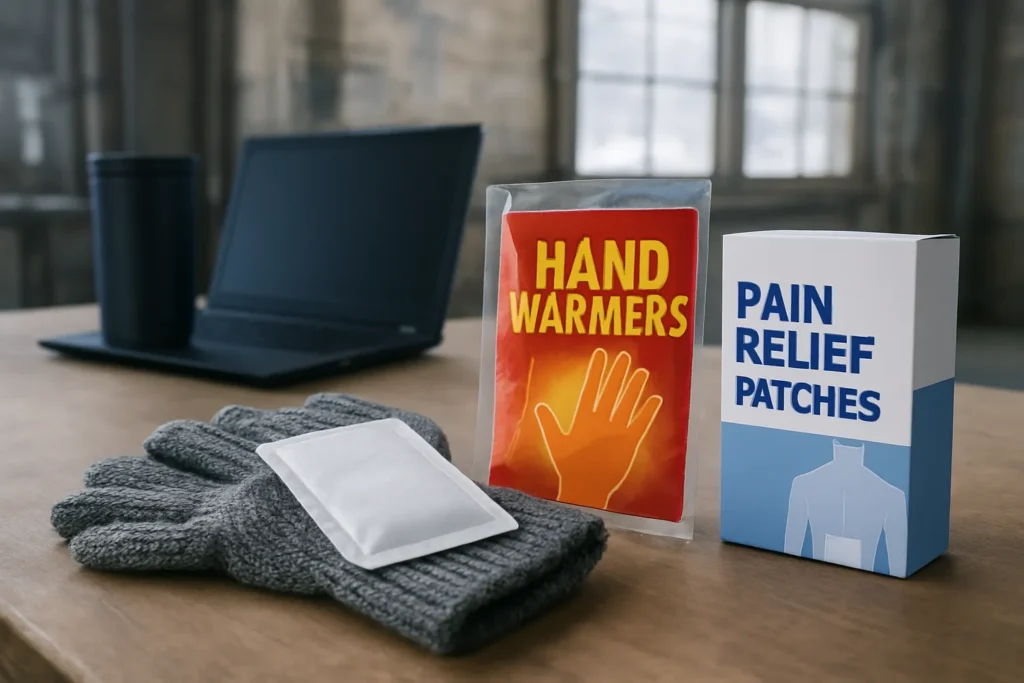
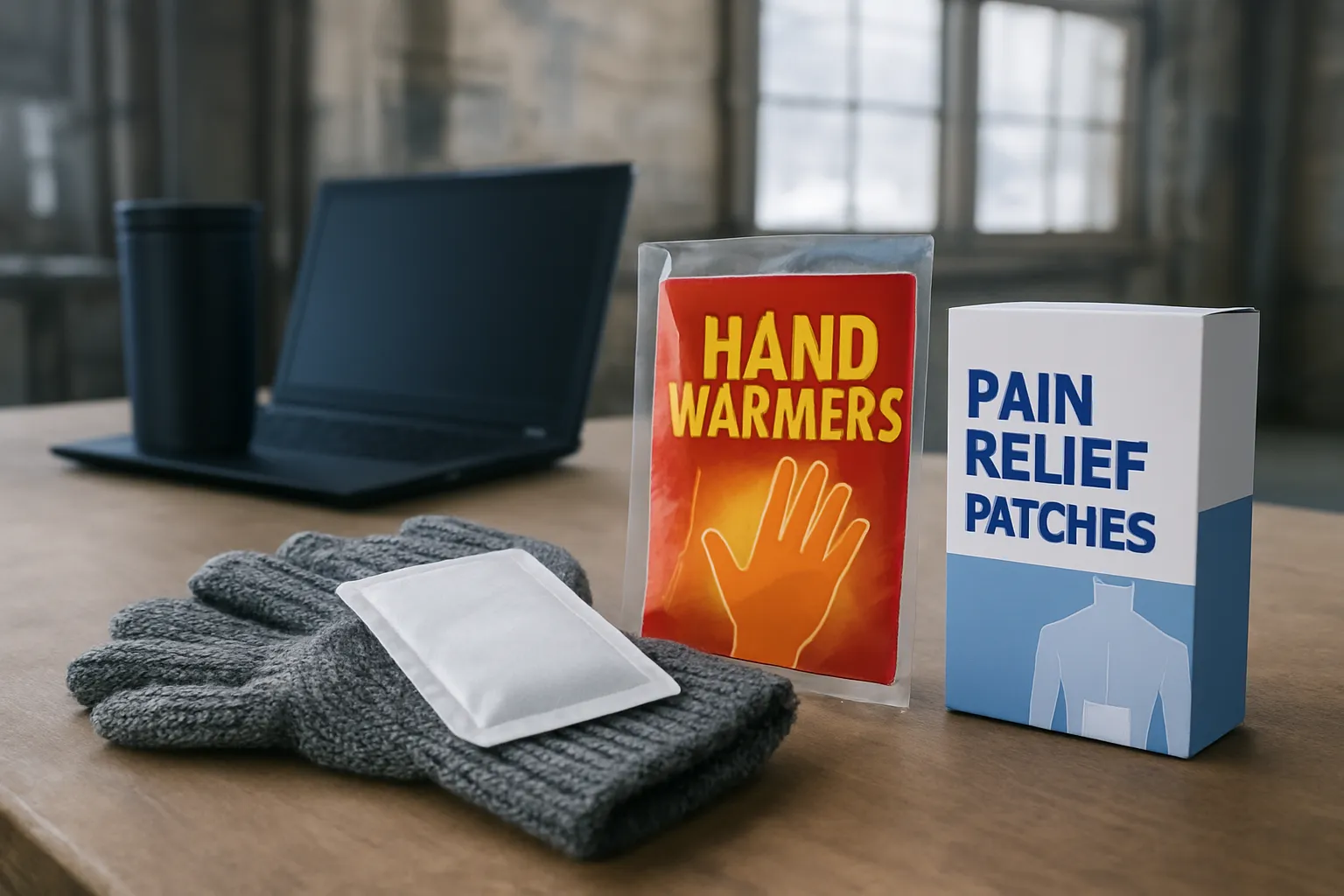
In today’s competitive business landscape, ensuring employee comfort is crucial, particularly in industries where workers face cold environments. Keeping employees comfortable boosts morale, enhances productivity, and reduces absenteeism. Among the various tools available to improve comfort in cold work settings, hand warmers and pain relief patches stand out as effective solutions. These products can significantly alleviate discomfort and promote a healthier work environment.
Specifications of Hand Warmers
Hand warmers come in various types, including disposable, rechargeable, and electric models. Disposable hand warmers are ideal for short-term use, providing heat for several hours. Rechargeable options offer a more sustainable solution for ongoing use. Electric hand warmers, powered through USB or battery, can be used repeatedly, making them a long-term investment for companies.
The heat duration and temperature range of hand warmers vary by type. Disposable hand warmers typically provide heat for 6 to 12 hours, reaching temperatures of up to 135°F (57°C). Rechargeable models can maintain consistent warmth for extended periods, often adjustable to meet individual preferences. Safety features, such as automatic shut-off mechanisms and heat regulation, are essential to prevent burns and ensure user safety. For more details on various heating products, visit Products – Yiwu Lixiang Daily Chemical Co., Ltd..
Specifications of Pain Relief Patches
Pain relief patches are designed to deliver targeted relief for muscle and joint pain, which can be exacerbated by cold conditions. These patches often contain active ingredients such as menthol, capsaicin, or lidocaine, each offering unique benefits. Menthol provides a cooling sensation that distracts from pain, while capsaicin works by depleting substance P, a neurotransmitter that signals pain. Lidocaine numbs the area, providing immediate relief.
The duration of pain relief varies by product, with many patches offering relief for up to 12 hours. However, it is crucial to consider skin sensitivity when selecting a patch, as some individuals may experience irritation. Companies should choose patches with hypoallergenic properties to accommodate all employees. For a deeper understanding of how these patches work, check out heating patch guide effective pain relief for beginners.
Use Cases in Cold Work Environments
Several industries can benefit from the use of hand warmers and pain relief patches. Construction workers, outdoor maintenance crews, and agricultural workers often face harsh weather conditions that can lead to discomfort and reduced productivity. Hand warmers can be used during breaks to warm hands. Pain relief patches can alleviate muscle strain caused by prolonged exposure to cold.
Real-world employee testimonials highlight the effectiveness of these products. Workers have reported increased comfort levels and improved performance on the job after integrating hand warmers and pain relief patches into their daily routines. This feedback underscores the importance of providing employees with tools that enhance their well-being.
Comparisons: Hand Warmers vs. Pain Relief Patches
When comparing hand warmers and pain relief patches, it is essential to understand their functionality and purpose. Hand warmers primarily focus on providing warmth, while pain relief patches target discomfort directly related to pain. Both products serve distinct yet complementary roles in enhancing employee comfort.
In terms of cost-effectiveness, hand warmers may have a lower upfront cost, especially disposable options. However, pain relief patches can reduce the need for over-the-counter pain medications, potentially saving costs in the long run. User experience insights suggest that employees appreciate having both options available, allowing them to address their comfort needs holistically.
Sourcing Hand Warmers and Pain Relief Patches
For businesses looking to equip their workforce with hand warmers and pain relief patches, bulk purchasing considerations are vital. Companies should evaluate suppliers based on product quality, pricing, and reliability. Establishing relationships with reputable suppliers ensures that products meet safety standards and are effective in providing comfort.
Quality assurance practices should be a priority when sourcing these products. Conducting thorough research and seeking certifications can help ensure that the items meet industry standards, providing peace of mind for employers and employees alike.
Implementation Strategies
To maximize the benefits of hand warmers and pain relief patches, companies should implement comprehensive strategies. Training employees on the proper usage of these products is essential to ensure effectiveness and safety. Additionally, integrating these items into workplace safety protocols can help create a culture of comfort and care.
Monitoring employee feedback and comfort levels is crucial for ongoing improvement. Regular check-ins can help identify any issues and allow companies to adjust their offerings based on employee needs, fostering a supportive work environment.
FAQs
Common questions about hand warmers include their safety features and how to choose the right type for specific work conditions. For pain relief patches, inquiries often revolve around their effectiveness and potential side effects. Addressing these concerns is essential for ensuring employee confidence in the products provided.
In conclusion, hand warmers and pain relief patches are invaluable tools for enhancing employee comfort in cold work environments. By understanding their specifications, use cases, and sourcing strategies, businesses can create a more supportive and productive workplace. Investing in employee comfort not only benefits individual workers but also contributes to overall organizational success.
For more information on hand warmers, you can refer to this industry reference for best practices and standards.