
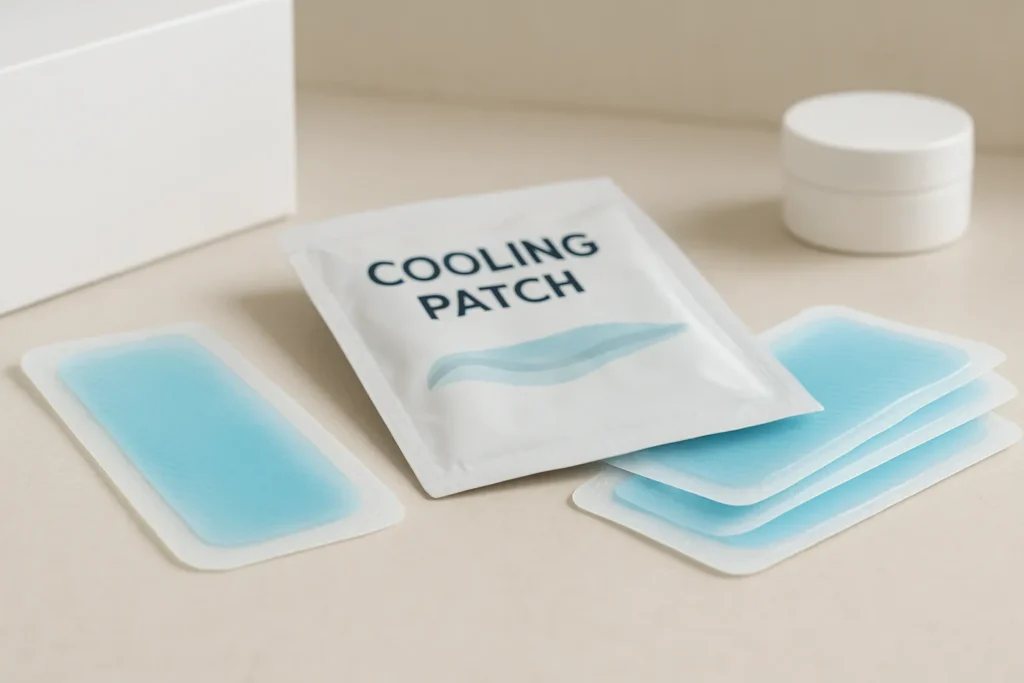
Cooling Patches: Opportunities for Self-Care Manufacturers in the Market
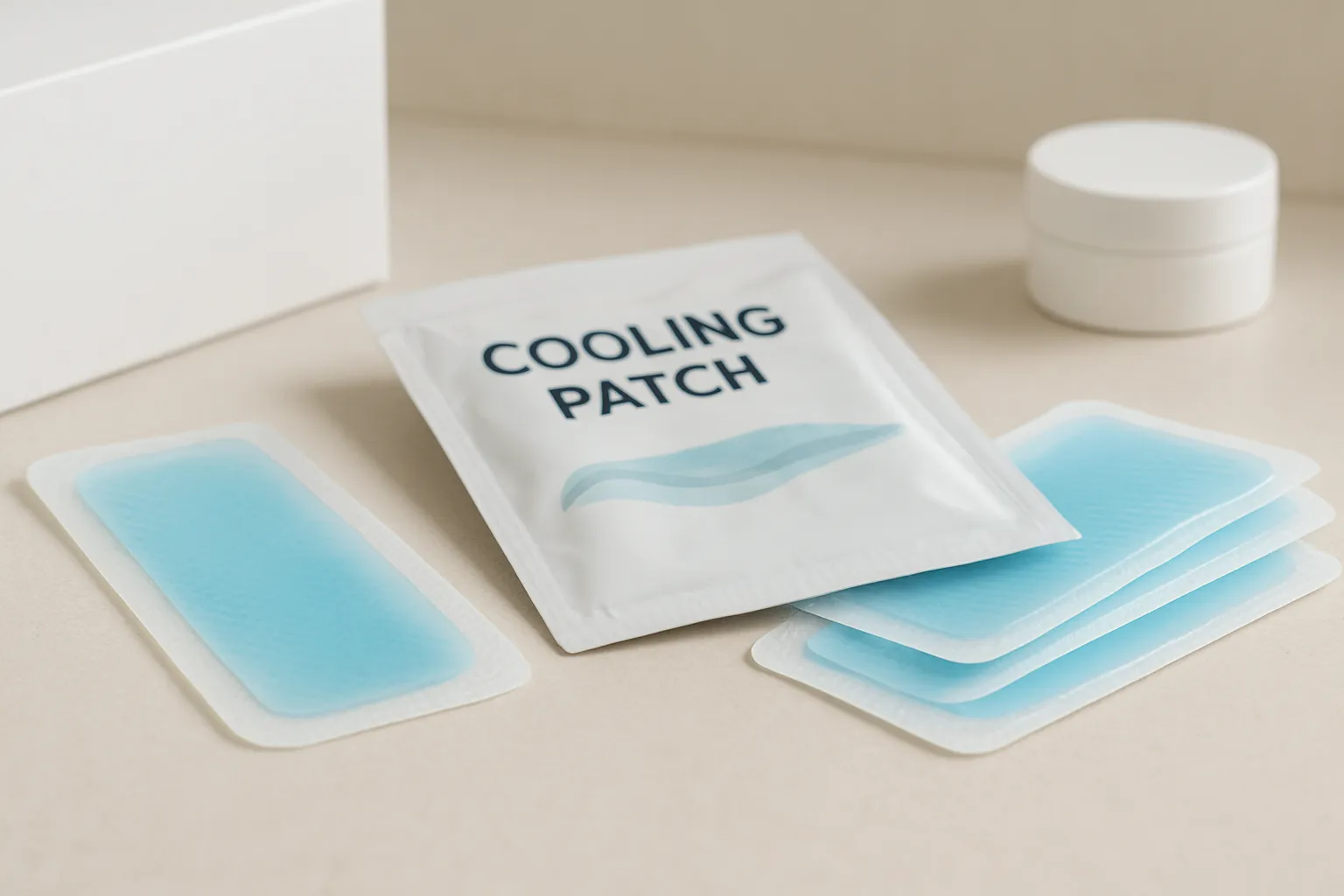
Cooling patches are innovative therapeutic products that provide localized cooling relief to specific areas of the body. Typically composed of a blend of water, menthol, and other cooling agents, these patches adhere to the skin, delivering soothing effects without the need for refrigeration. As the demand for convenient and effective self-care solutions continues to rise, the significance of cooling patches in the market is becoming increasingly clear. They cater to a diverse range of consumers, from athletes seeking recovery aids to individuals managing pain or discomfort. This versatility makes them a significant product for manufacturers of self-heating products and other therapeutic solutions.
Market Overview
The market for cooling patches has been witnessing substantial growth, fueled by an increasing awareness of health and wellness among consumers. Current market trends indicate a shift towards natural and non-invasive pain relief methods, which aligns perfectly with the benefits offered by cooling patches. Industry reports suggest that the global cooling patch market is projected to grow at a compound annual growth rate (CAGR) of over 7% in the coming years. This growth presents a significant opportunity for manufacturers to either enter or expand within this burgeoning sector.
Specifications and Features
To develop a competitive cooling patch, manufacturers must consider the key ingredients and materials that define product efficacy. Common components include menthol, eucalyptus oil, and various polymers that facilitate adhesion to the skin. Additionally, product variations can include single-use patches, reusable patches, and those infused with herbal extracts for added benefits. Understanding these specifications allows manufacturers to tailor their offerings to meet specific consumer needs, enhancing marketability and user satisfaction. For a comprehensive look at product offerings, visit Products – Yiwu Lixiang Daily Chemical Co., Ltd..
Use Cases for Cooling Patches
Cooling patches find applications across several domains:
- Medical Applications: They are widely used in pain management, providing relief for conditions such as headaches, muscle soreness, and joint pain. Their non-invasive nature makes them an attractive alternative to pharmaceuticals.
- Sports and Fitness Applications: Athletes utilize cooling patches post-exercise to reduce inflammation and expedite recovery. Their portability and ease of use make them ideal for on-the-go relief during training or competitions.
- Consumer Wellness Products: Beyond medical and athletic uses, cooling patches are marketed as general wellness products for everyday discomfort, such as heat stress or minor injuries, appealing to a broad consumer base.
Comparison with Other Self-Heating Products
When comparing cooling patches to heating patches, several factors come into play. Understanding these differences is crucial for manufacturers seeking to position their products effectively.
- Cooling Patches vs. Heating Patches: While heating patches aim to alleviate pain through warmth and increased blood flow, cooling patches provide relief by numbing pain and reducing swelling. Each has specific use cases; for instance, cooling patches are more effective for acute injuries, while heating patches are preferable for chronic pain.
- Advantages and Disadvantages: Cooling patches offer immediate relief and are easy to apply, but they may not provide long-lasting effects compared to heating patches, which can sustain warmth for extended periods.
Sourcing and Manufacturing Considerations
For manufacturers aiming to produce cooling patches, selecting the right suppliers is crucial. Criteria for supplier selection should include the quality of raw materials, reliability of supply, and compliance with regulatory standards. Implementing quality control measures throughout the manufacturing process is essential to ensure product safety and efficacy. This includes regular testing of ingredients and finished products to meet both consumer expectations and regulatory requirements.
Implementation Strategies for Manufacturers
To successfully launch cooling patches, manufacturers should develop a comprehensive product development process that includes research, testing, and consumer feedback. Marketing strategies should focus on educating potential customers about the benefits and applications of cooling patches. Distribution channels can include online platforms, pharmacies, and health stores, ensuring that products are accessible to a wide audience.
Frequently Asked Questions
Manufacturers often have common concerns regarding the production and marketing of cooling patches. Questions about ingredient sourcing, shelf life, and consumer education are prevalent. Additionally, regulatory considerations are critical; manufacturers must ensure compliance with health and safety standards in their respective markets to avoid legal complications.
Conclusion
The market for cooling patches presents a wealth of opportunities for manufacturers, driven by growing consumer demand for effective and convenient self-care solutions. By understanding the specifications, use cases, and competitive landscape, manufacturers of self-heating products can position themselves effectively within this dynamic market. With proper sourcing, quality control, and strategic implementation, companies can capitalize on the increasing popularity of cooling patches and contribute to the evolving landscape of health and wellness products. For more technical insights, refer to this technical reference on cooling patches from ScienceDirect.